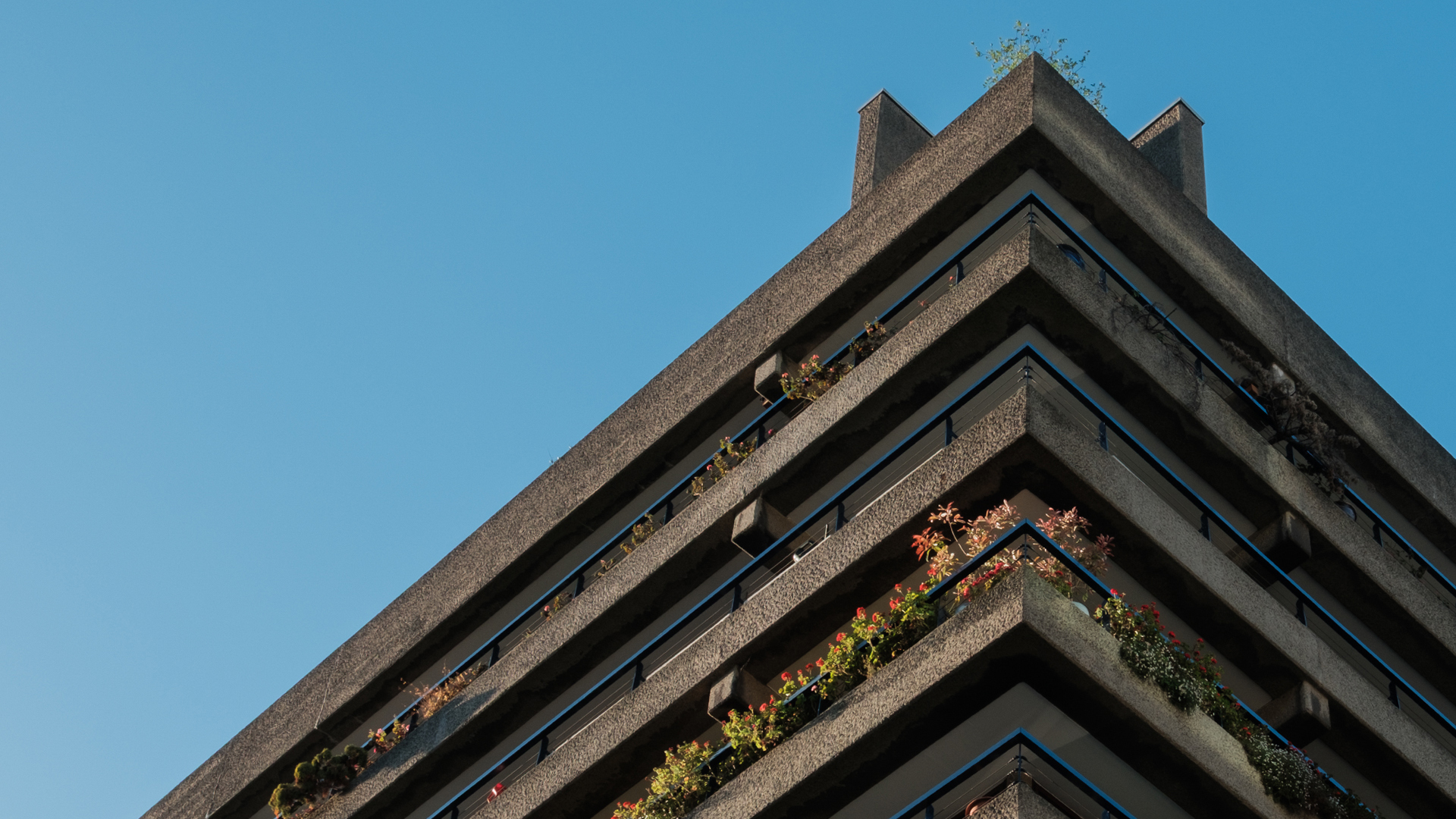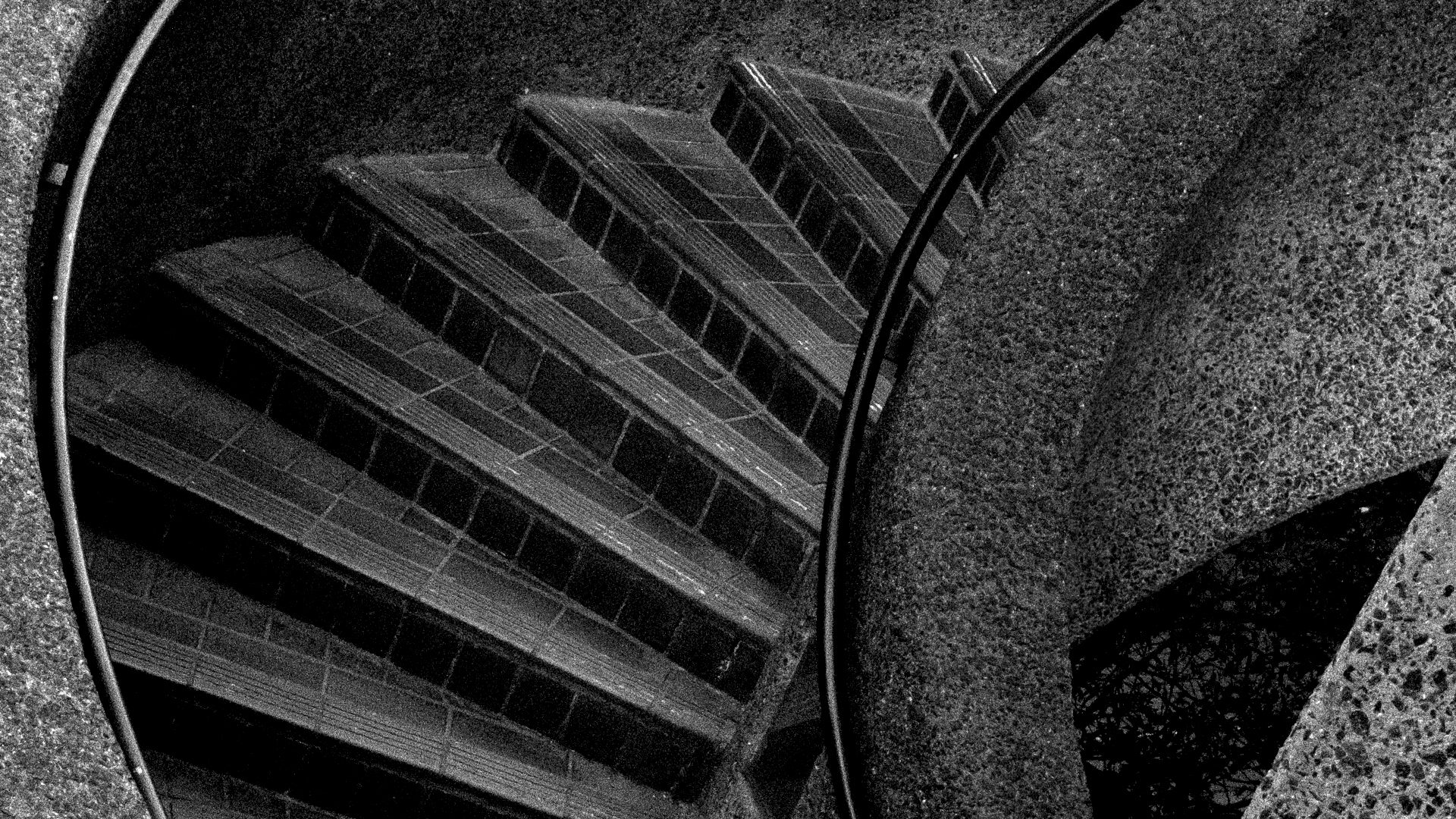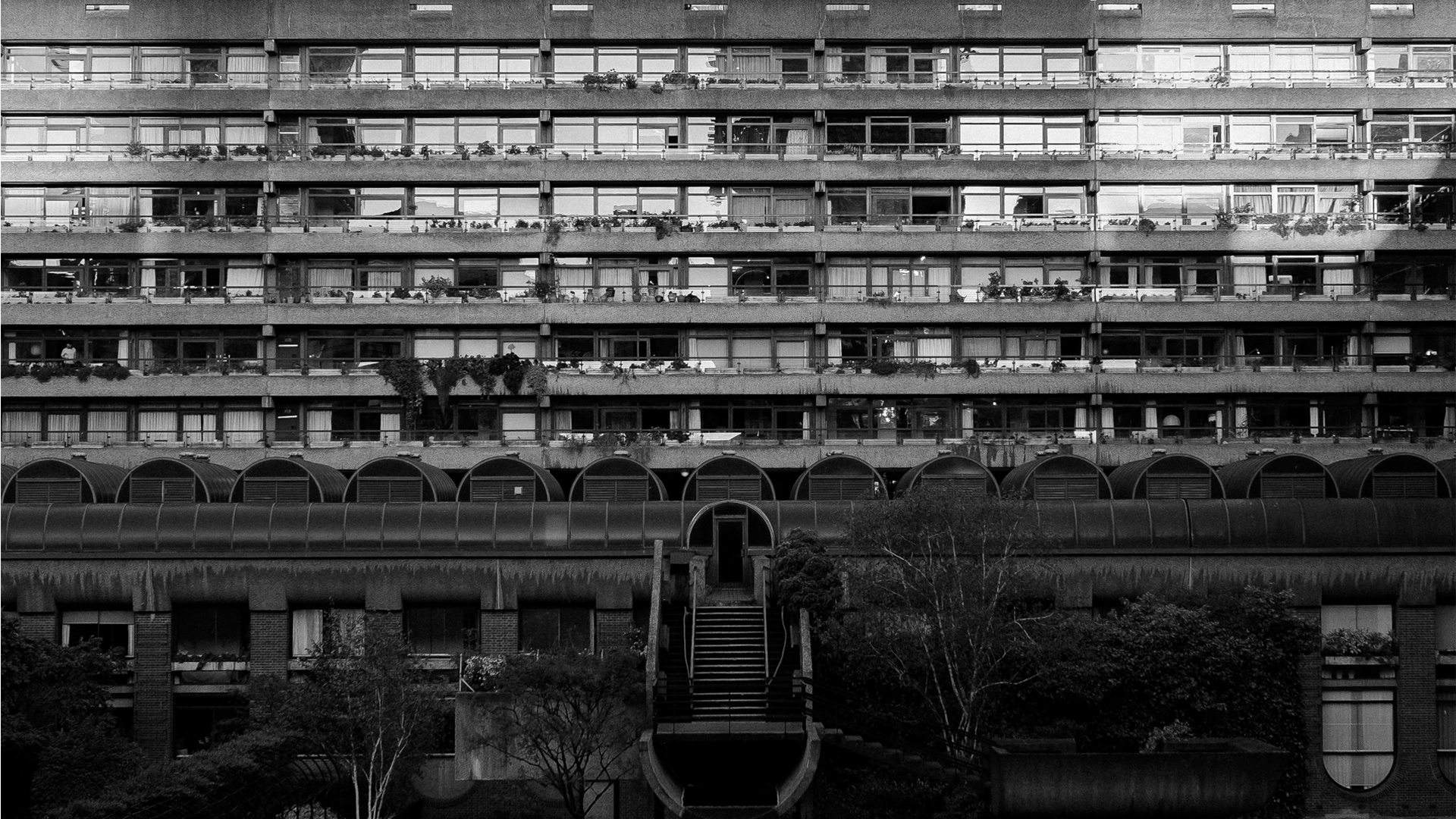
Brutalist architecture, London
Concrete and light. Notes on photographing the buildings and estates that shaped a generation, from someone who has worked in this city for over twenty years.
I like the buildings that most people were told to hate. The Barbican, the Aylesbury, the walkways above Elephant. Brownfield estate before it became a listed set of pictures. Trellick Tower before it became a T-shirt.
A generation grew up being told these places were failures. Concrete monstrosities. Then, sometime around the late 2010s, the same buildings became the shorthand for style. Then they became the shorthand for a housing crisis that the same style pieces did not really want to talk about.
Does the recent brutalism film change how you photograph these buildings?
It brings other people to them. Which is fine. The Barbican has always had a queue for a specific concrete stairwell. Now it has a longer queue. What the film did well was remind people that these buildings were designed with an argument behind them, not just a look.
You've worked in London for over twenty years. What has actually changed?
Almost every estate I photographed in the early 2000s has either been demolished, refurbished into unrecognisability, or emptied of the people who lived there. The buildings that survived are mostly the ones that got listed. The ones that housed families quietly, in the same way, for decades, are gone. What we call brutalist heritage now is the top ten percent that made it into the coffee-table books.
What does documenting a place look like when the place keeps disappearing?
It becomes about return. Photographing the same building in different light. Photographing the same street corner five years apart. Photographing a walkway before the safety fencing goes up and again after. The pictures matter more once the building has gone. That is the whole argument for still making them.