North Street Potters, London
STORY
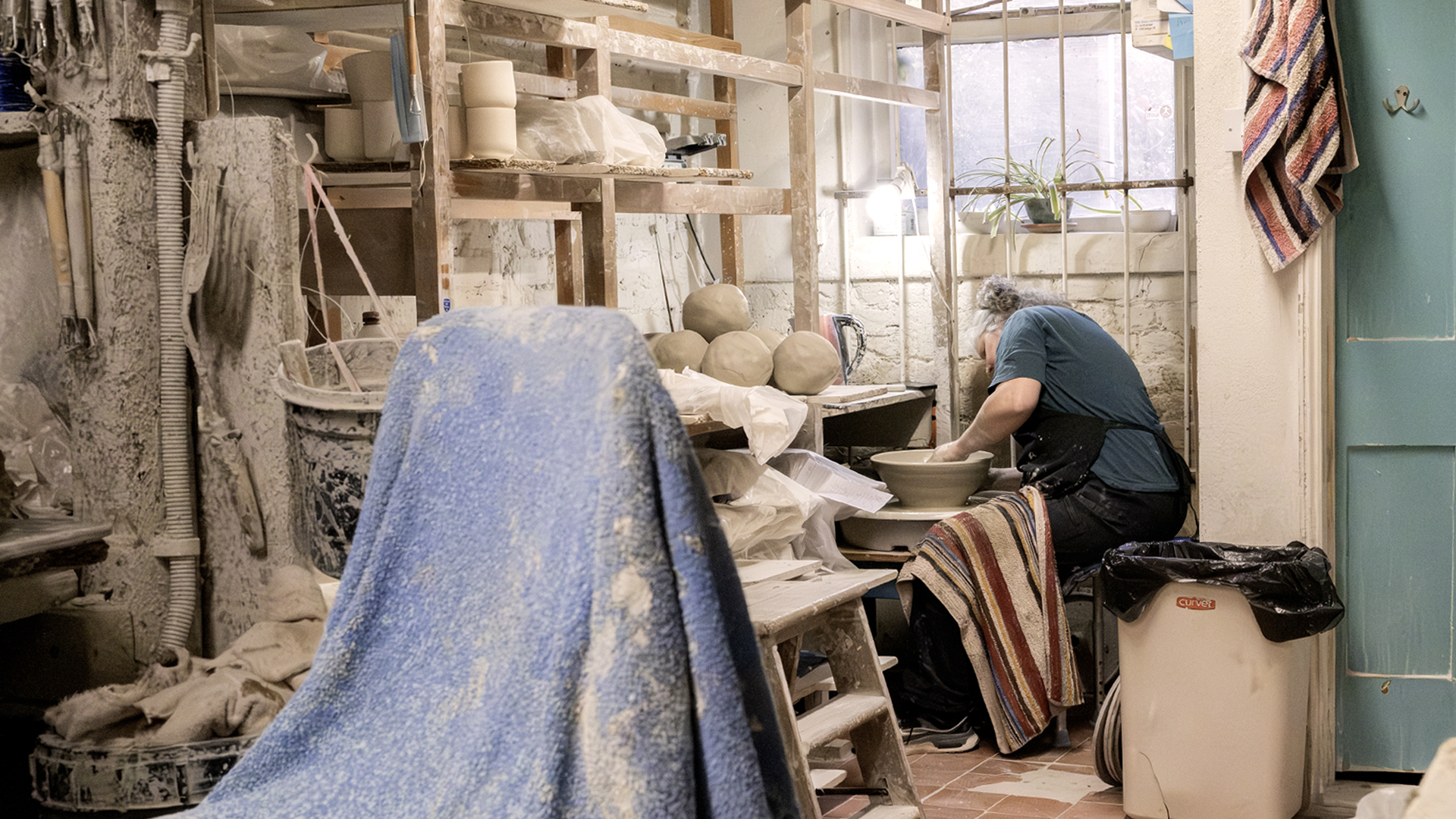
The doors opened on May Day, 1978. There is a shop at the front, a working studio behind it, and kilns in the basement below. Nearly fifty years on, it is still the same street and the same name.
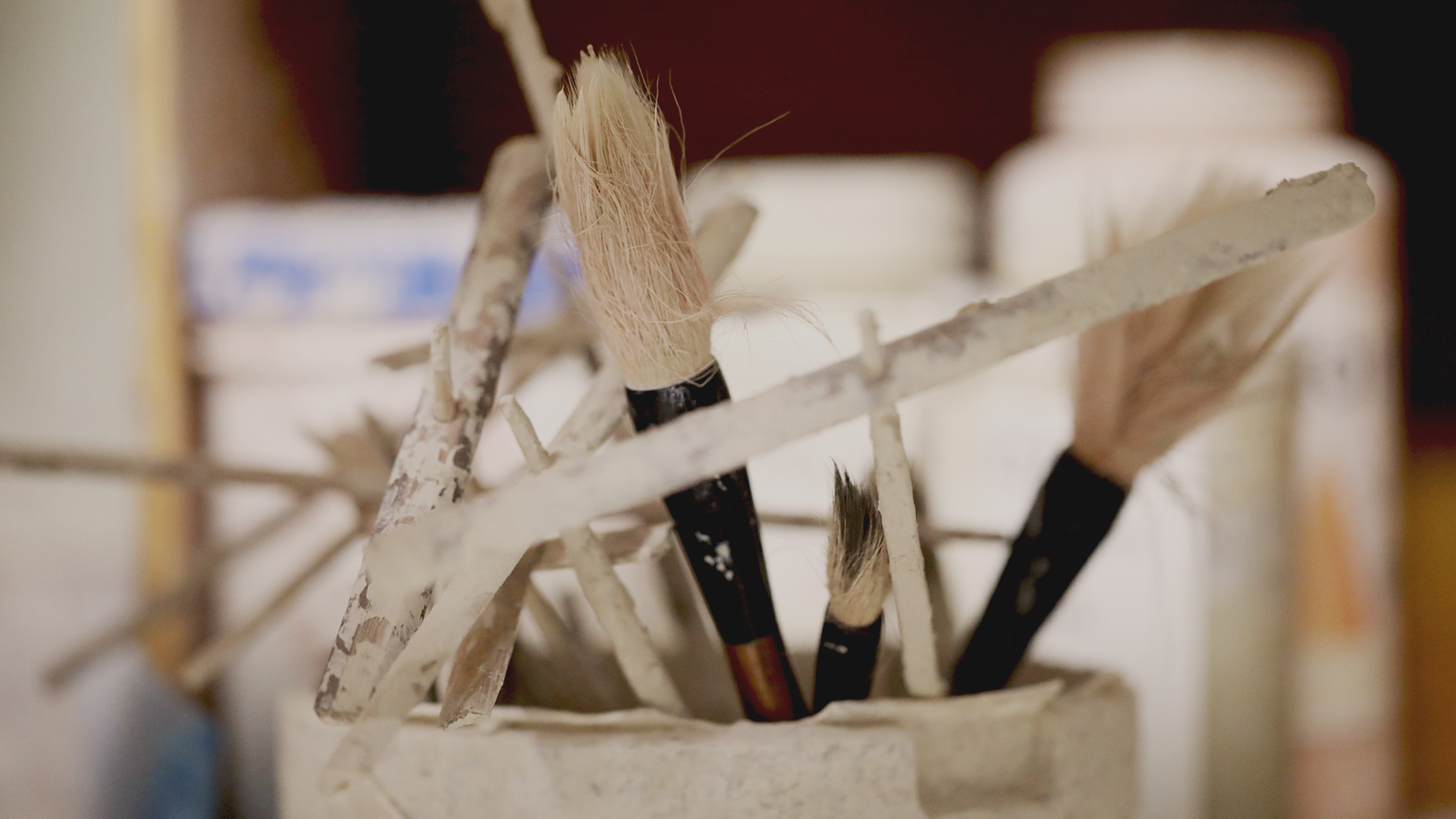
The doors opened on May Day, 1978. There is a shop at the front, a working studio behind it, and kilns in the basement below. Nearly fifty years on, it is still the same street and the same name.
Two hundred mugs, and the one that counts
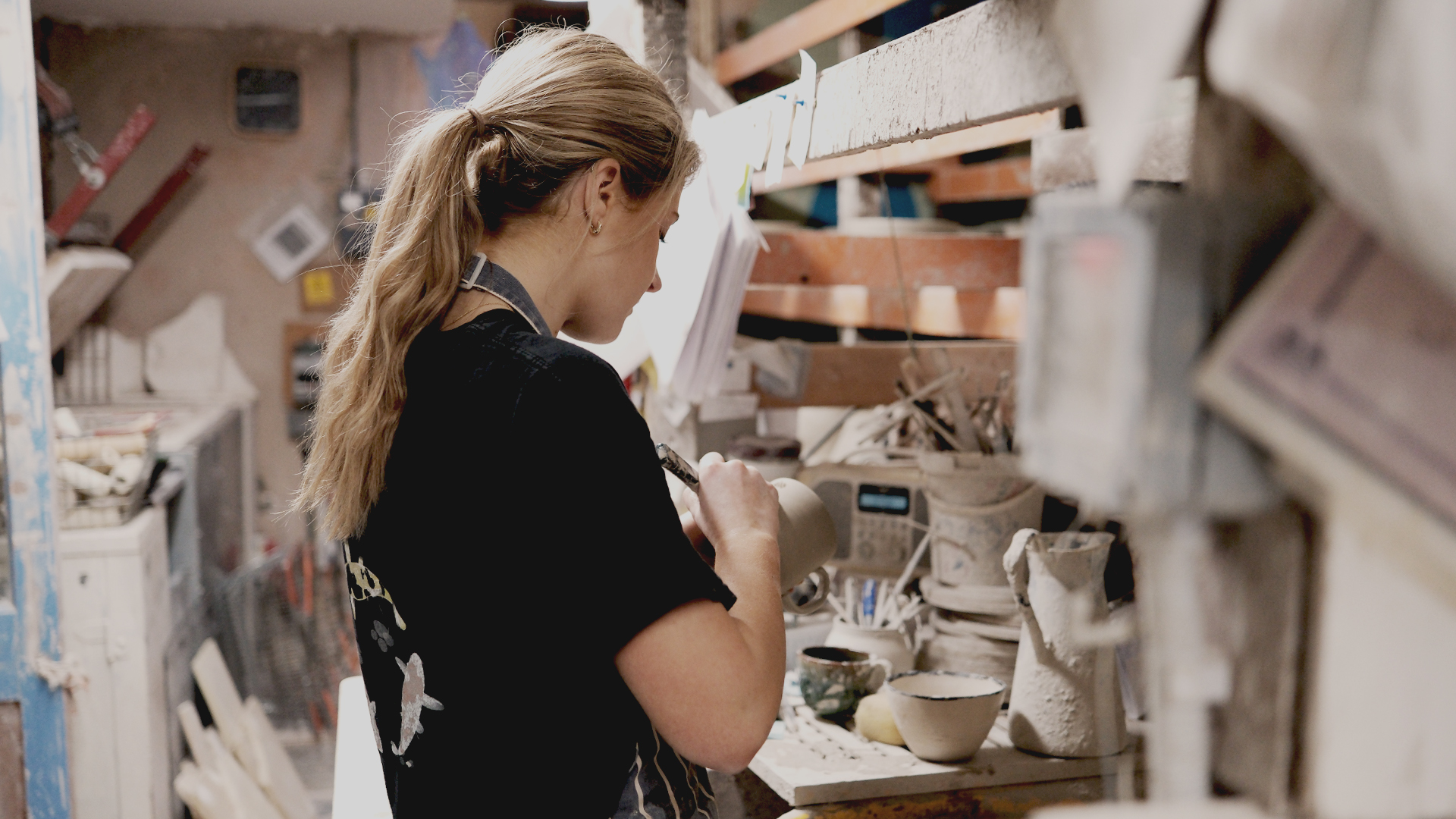
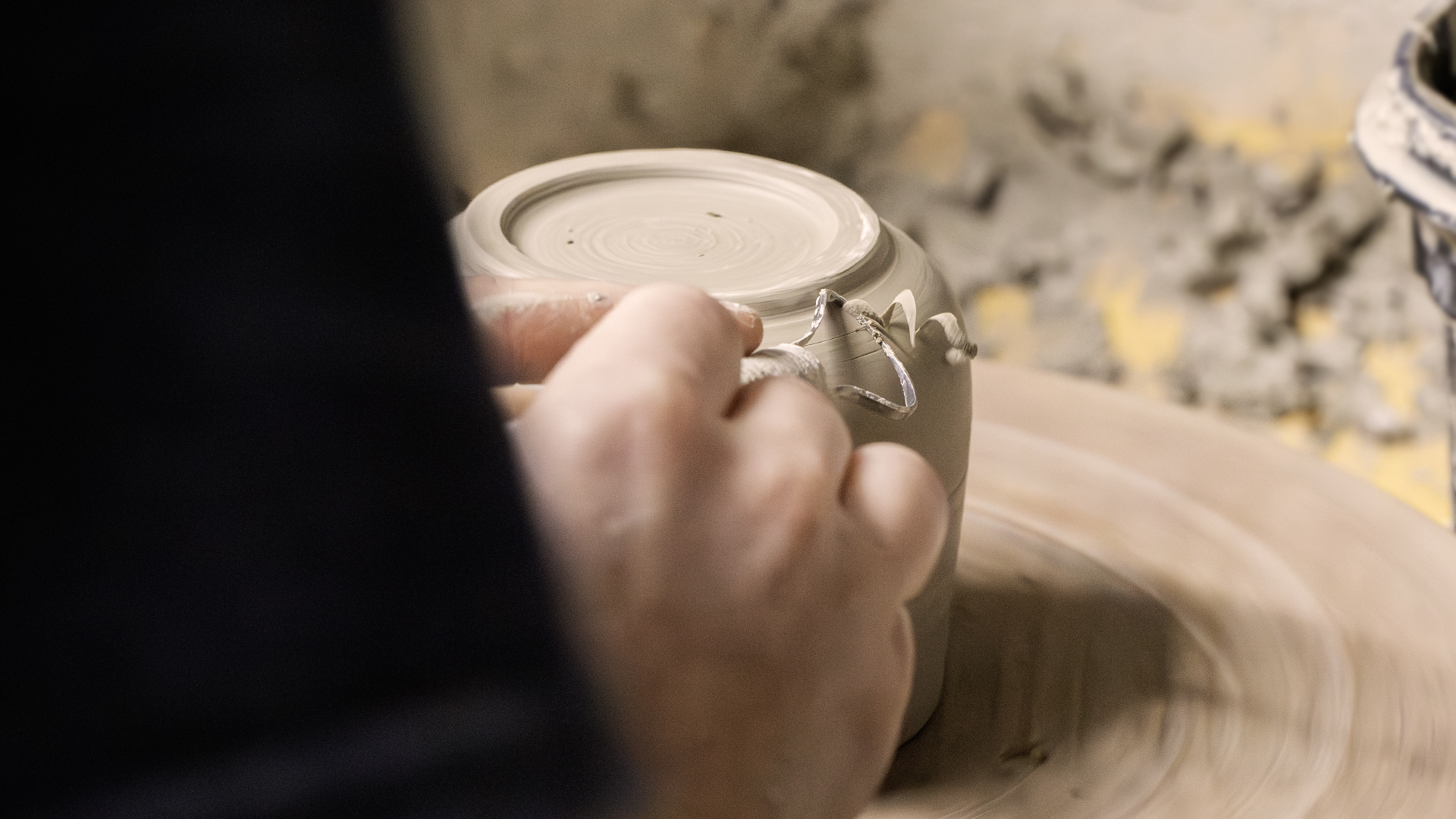
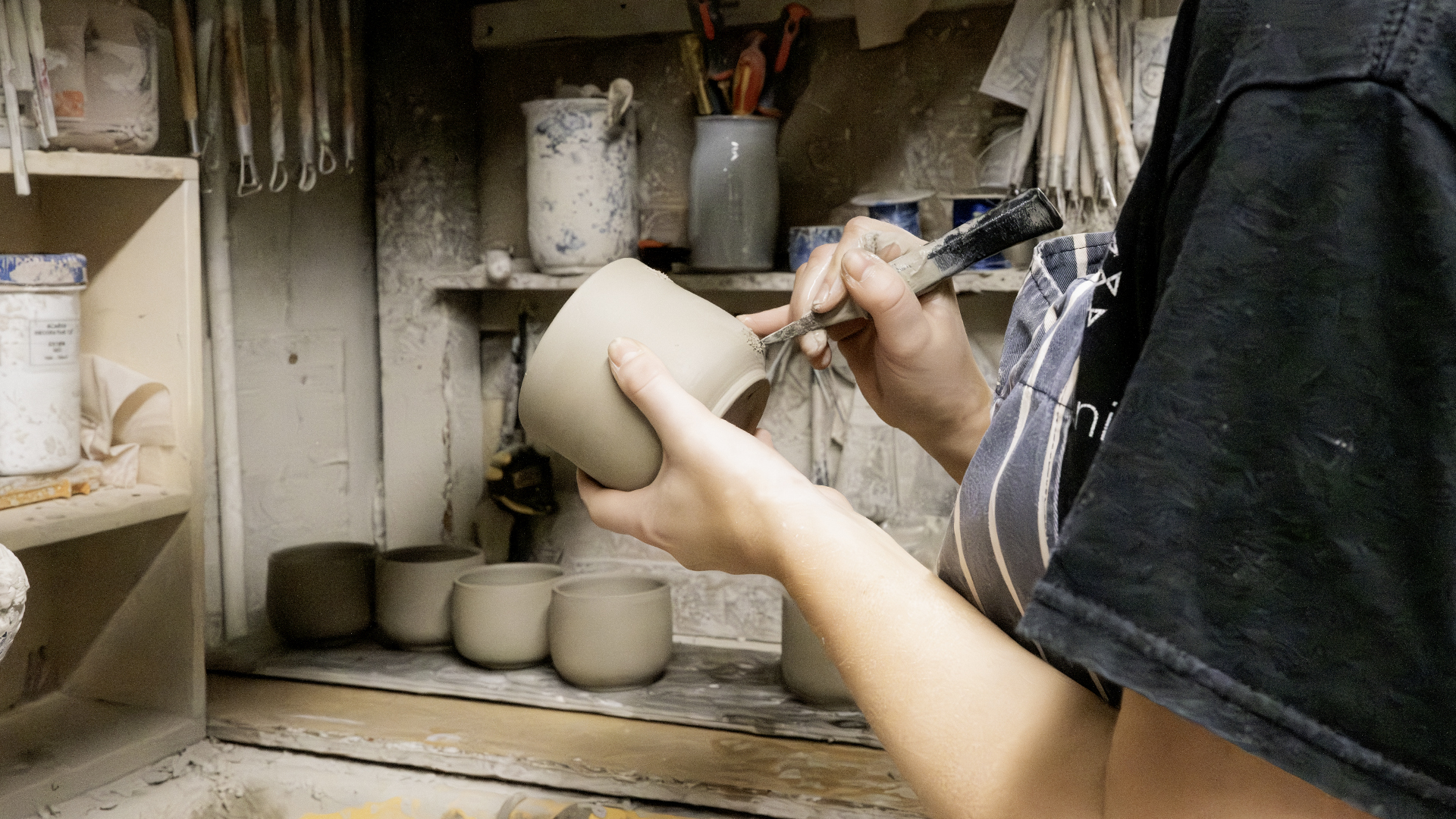
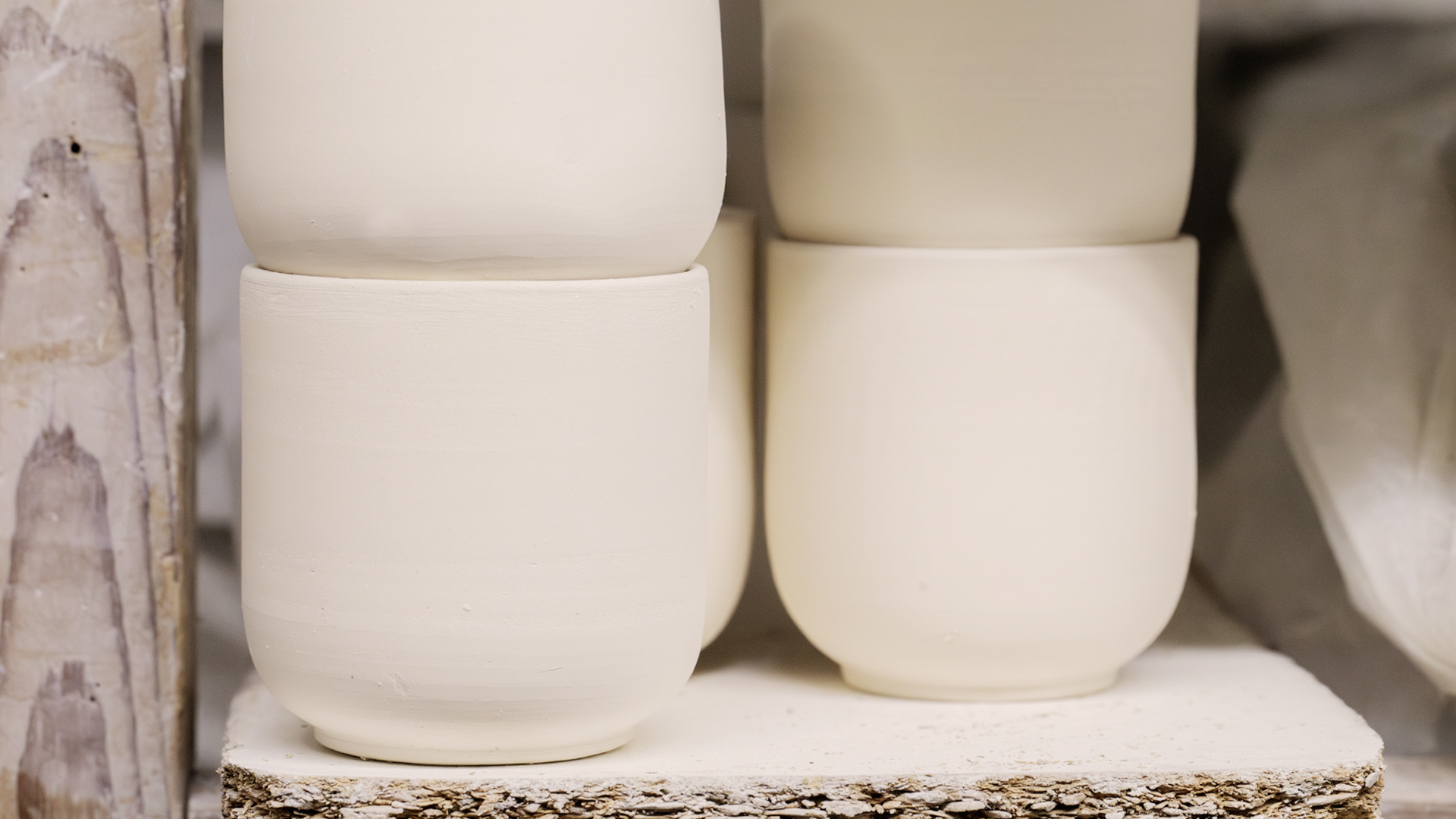
On the day we visited, a young potter was working through an assignment that sounds at first like a punishment. She is a fine art student at university, learning to throw here. The task was to make the same mug two hundred times, with no handles. When they are finished, they go back into the reclaim bucket and back to clay. Only the two hundred and first gets a handle.
Somewhere around the hundredth mug, there is muscle memory. By the two hundredth, the height, the wall, the lip and the weight in the palm have moved out of the head and into the body. The handle completes a more authentic end product.
Where it comes from
North Street's founder, Naine Woodrow, learned her trade in Japan in the 1970s. Japanese workshop training has long favoured repetition over explanation. Apprentices spend their early years wedging clay, cleaning, watching, and throwing the same form again and again, and most of that work never sees a kiln. Potters there have a saying about it: three years to learn the clay, ten at the wheel. The numbers change depending on who tells it, but the message stays the same.
There's a quiet irony in the mug. Japanese teacups don't have handles. At North Street, the handle is an English object added at the end of a Japanese discipline.
How it gets passed on
The method doesn't stay in the studio. North Street has trained apprentices for years, including year-long placements focused on production throwing. Many go on to teach at Clapham Pottery, the not-for-profit community pottery the group runs in an old chapel nearby. Former members now work in France, Sweden, the Lake District and the West Country.
A collective, not a co-operative
Woodrow is precise about the difference. In a co-operative everyone makes the same thing. In a collective, everyone makes something of their own. The potters share glazes, kilns and the big restaurant orders, supplying kitchens like Claridge's and Le Gavroche. On the shelves, though, each maker's hand stays their own. A Michelin chef pays the same price as anyone who walks in off the street.
Why photograph it now
In 2000 a rent rise nearly forced them out, and local customers helped buy the lease. Places like this don't survive by accident. People who care keep them going, one mug at a time.
For commissions documenting studios, workshops, or ongoing craft practices, get in touch.