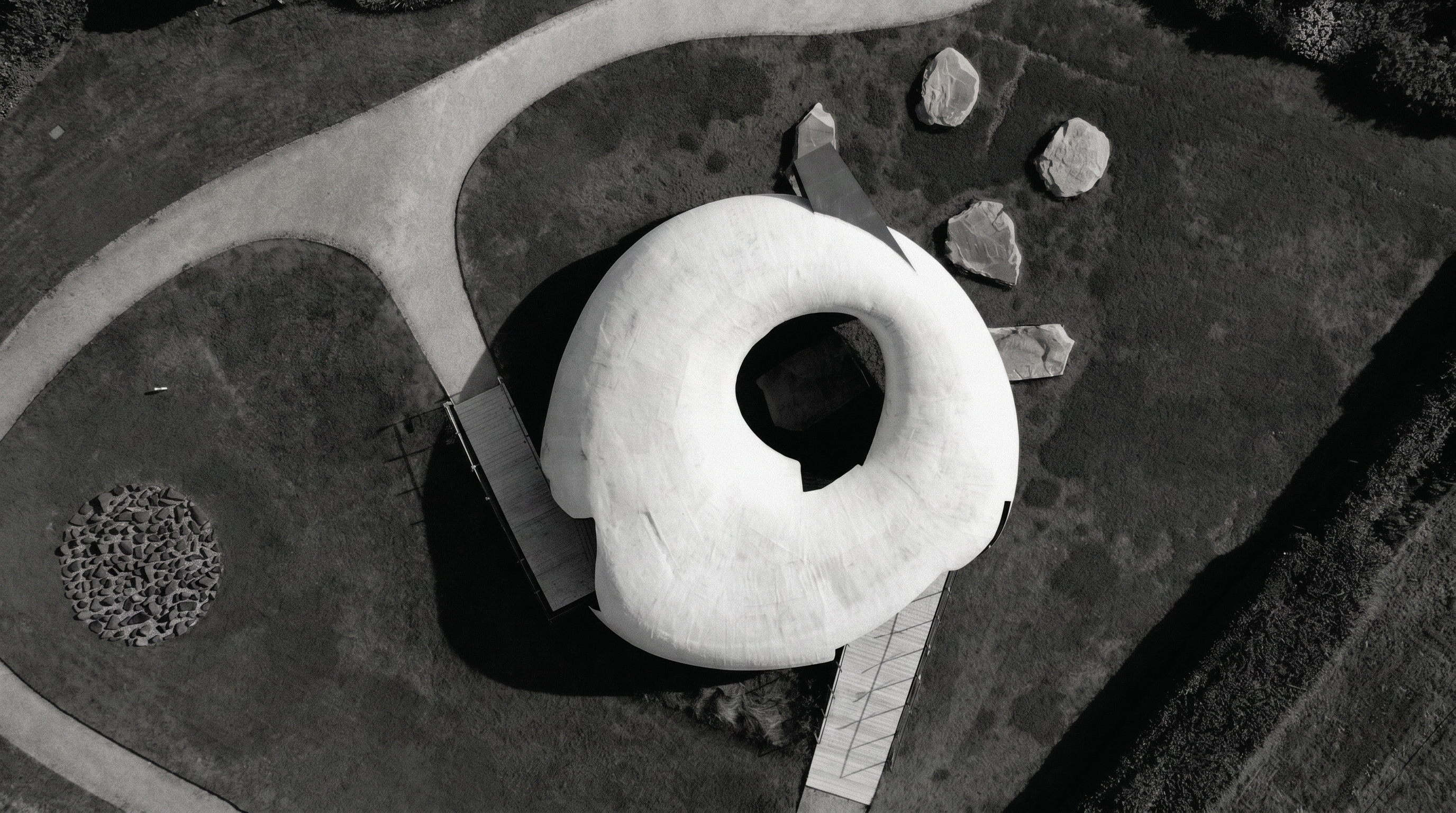
The first time we put a drone in the air over a wedding, it was almost an accident. A couple in Snowdonia, a long valley walk after the ceremony, and a question from the groom: "could we get something from up there?"
The five minutes of footage we came back with that afternoon changed how the studio thinks about a day. Not because it was technically remarkable. The light was already going, the battery was on its last bar, the framing was rough. It was what the footage showed about the story. Two people walking through a landscape they'd been talking about for two years. The scale of the thing they'd chosen. Where the day sat in the larger geography they loved.
A photograph from twenty feet up doesn't usually give you that. A photograph from two hundred feet up can.
A week in Cornwall
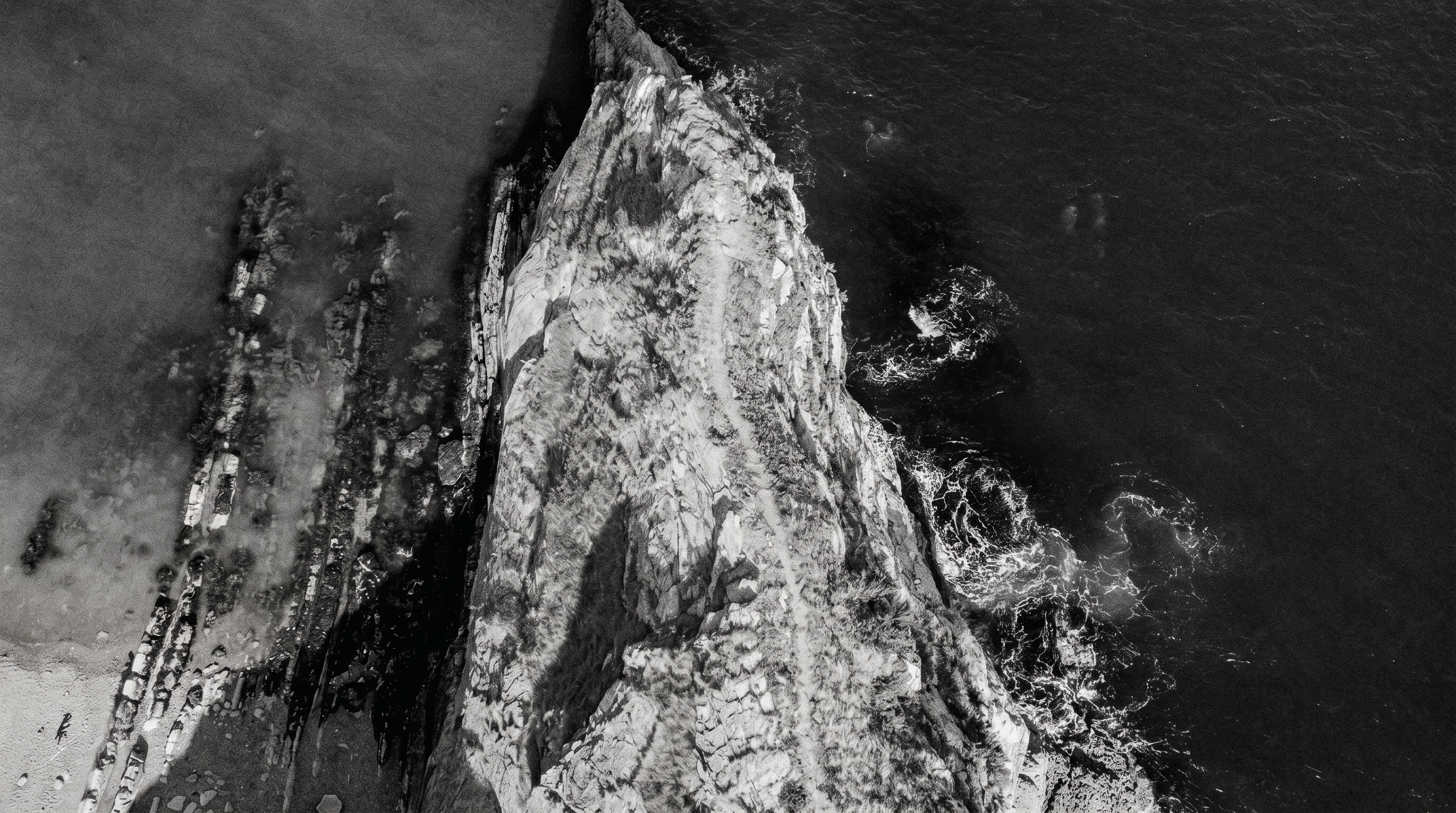
The Cornish coast trip in October was the first time we built a whole assignment around aerial work. Three days, four locations, two test couples who'd agreed to let us photograph them in exchange for the prints. Cape Cornwall, Pendeen, the cliff path between Zennor and St Ives. October light. Some of the bleakest, most beautiful weather the south coast does.
The brief we set ourselves was simple: shoot the same moments three ways. Ground-level documentary on the 23mm, the kind of pictures we make anyway. A longer lens for the editorial portraits. Then the drone, at varying altitudes, looking for the scale shot that contextualises the rest.
By the end of the second day a pattern had emerged. The aerial shot is almost never the headline picture. It's the connective tissue. The picture that gives every other picture in the gallery more weight. Two people on a cliff edge becomes interesting because the cliff is two hundred feet high and the sea is doing things you couldn't see from up close. The intimate shot lands harder when you've shown the room around it.
The drone isn't replacing anything on the ground. It's giving the ground pictures something to sit inside.
What it adds to a wedding day
For weddings specifically, three things have become reliable.
The venue shot. Most country wedding venues look the same in the brochure. From above they all look different. A drone makes the location itself a character in the day.
The walk. Almost every wedding has one. To or from the ceremony, around the grounds, out for portraits at golden hour. From altitude these walks become quiet, almost cinematic. Two figures crossing a landscape they've just promised each other.
Scale. Documentary wedding photography is mostly an intimate craft. The drone lets you punctuate that with one or two pictures that put the day in its setting. Used sparingly. The whole gallery shouldn't be from the air.
What it still can't do
The drone doesn't replace anything on the ground. It can't be in the room when someone says something they've been meaning to say for years. It can't move quietly between two people having a quiet moment. It can't shoot at f/1.4 in candlelight.
It also doesn't fly in rain, in wind above about 20mph, near most airports, near most stately homes without prior permission, or above 400 feet anywhere in the UK. CAA paperwork takes time. The realities of using a drone on a real wedding day are 80% permissions and 20% flying.
But used the right way, in the right weather, with the right scene — it gives you a picture you couldn't get any other way. Which is the only argument any tool ever has to earn its place in the kit bag.
The full selection from the Cornwall week is going up in the editorial gallery over the next month. If you're planning something on a landscape that wants to be a character in the day, the studio is taking aerial-led elopement bookings for the 2026 season. The contact form is here.